Emergency Dentist Plano, TX for Lost Fillings and Crowns
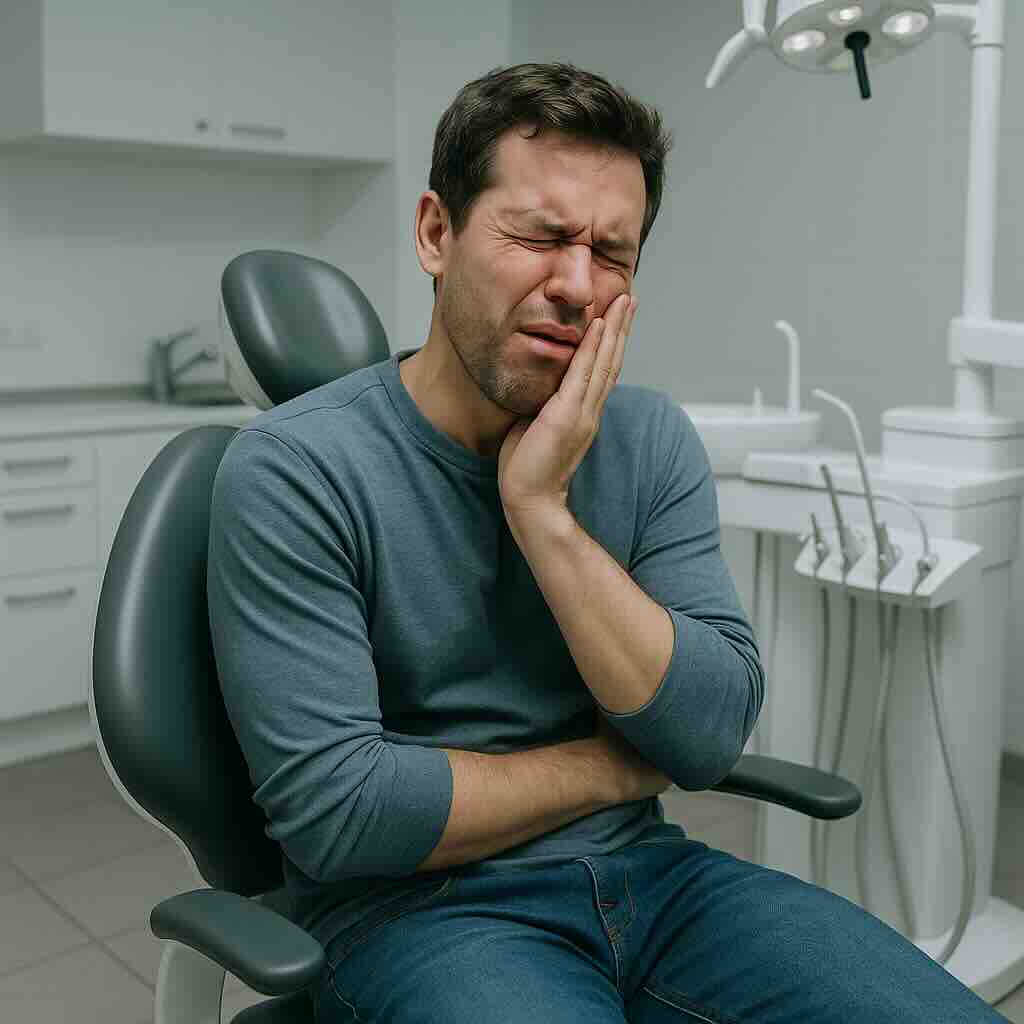
A lost filling or crown rarely happens at a convenient time. It often shows up during dinner, on a workday, before a trip, or late at night when every sensation feels louder. One minute a tooth seems manageable, the next it feels rough, exposed, sensitive to air, and impossible to ignore. For many people in Plano, that is the moment the search begins for an Emergency dentist Plano, TX patients can trust to act quickly and sensibly.
These problems are common, but they are not all the same. A lost white filling from a small cavity behaves differently from a large silver filling that has supported a back molar for years. A crown that slips off cleanly is a different situation from a crown that comes off with decay underneath or takes part of the tooth with it. The right response depends on what came loose, how much tooth remains, whether there is pain, and how soon a dentist can see you.
What matters most is this: a missing filling or crown is not just a cosmetic nuisance. It can leave the tooth vulnerable to sensitivity, fracture, shifting, bacterial contamination, and deeper decay. Fast attention often makes the difference between a straightforward repair and a larger treatment plan.
Why fillings and crowns come off in the first place
Patients often assume a filling or crown failed because they did something wrong. Usually, it is more ordinary than that. Dental materials work hard over time. Every meal, every temperature change, every nighttime clench adds up.
A filling may loosen because the bond weakens, the edge of the tooth wears down, or new decay forms around it. Fillings in back teeth take the most force, especially in patients who grind at night or chew ice, nuts, popcorn kernels, or hard candy. Larger fillings are inherently less predictable over the long term because they leave less natural tooth structure to support them.
Crowns have their own set of failure points. Sometimes the cement simply gives way after years of service. Sometimes a crown comes loose because the tooth underneath has changed, whether from decay, a crack, or gradual wear. I have seen crowns dislodge because patients were chewing sticky caramel, but I have also seen them come off while brushing, which is often a clue that the problem had been building quietly for some time.
Age of the restoration matters, but it is not the whole story. A crown can last many years and still fail suddenly if the tooth underneath weakens. A newer filling can also come out if the cavity was large, moisture control was difficult during placement, or the patient bites heavily on that side. There is no single lifespan that fits every case, which is why same-day evaluation matters more than guesswork.
What makes this an emergency
Not every lost restoration needs a midnight visit, but many need prompt care within a day or two. The urgency depends on symptoms and the condition of the tooth.
If the exposed tooth is very sensitive, has sharp edges cutting the tongue or cheek, or hurts when you bite, that moves the situation up the priority list. If part of the tooth has fractured away with the filling or crown, the remaining structure may be unstable. If the area smells bad, tastes unpleasant, or shows dark, softened tooth material, decay may be active under the restoration. Swelling, throbbing, fever, or pain that wakes you at night raises concern for infection or pulp inflammation and deserves urgent attention.
Even when pain is mild, delay can create problems. Teeth shift subtly. A crown that fits today may not fit as well after days or weeks out of the mouth. An exposed tooth can chip under normal chewing. A small defect can become a deeper break that changes the treatment from a recement or replacement to a root canal, post buildup, or extraction. That is the practical reason people seek an emergency dentist in Plano, TX rather than waiting for a routine cleaning appointment.
What to do right away at home
The first hour after a filling or crown comes off is mostly about protecting the tooth and avoiding unnecessary damage. A calm approach helps.
- Remove the restoration from your mouth if it is loose, rinse it gently, and store it in a clean container.
- Rinse with warm water to clear food and check whether the area is bleeding, jagged, or visibly broken.
- Avoid chewing on that side, especially hard, sticky, crunchy, or very hot and cold foods.
- If the tooth is sensitive, cover the area temporarily with dental cement from a pharmacy if you have it, but do not force anything into place.
- Call a dental office promptly and describe whether you have pain, swelling, a broken tooth, or the actual crown in hand.
Patients often ask about super glue. It is a bad idea. Household adhesives are not made for oral tissues, they can irritate the gums, and they complicate cleanup when the dentist tries to seat the crown properly. Over the counter temporary dental cement is the only reasonable stopgap, and even that is just a short bridge to professional care.
If a crown came off cleanly and still looks intact, keep it safe and bring it with you. If a filling fell out, there is usually nothing to save except perhaps a large metal filling, and even then it is often not reusable. Try not to test the tooth repeatedly with your tongue. People do this instinctively, but it can make the area more irritated and can dislodge any temporary covering.
The difference between a lost filling and a lost crown
A filling is placed inside the tooth structure. When it comes out, the remaining tooth may still be mostly intact, or it may be thin and weakened. Small fillings can sometimes be replaced with new filling material the same day. Larger ones may reveal that too much tooth has been lost over time, in which case a crown or onlay becomes the more durable answer.
A crown covers and protects the visible part of a tooth. When it comes off, the exposed core may be smooth and strong, or it may be decayed, fractured, or barely holding together. If the crown itself is intact and the tooth underneath is sound, a dentist may be able to clean it and recement it. If the crown no longer fits well, or if the underlying tooth has changed shape due to decay or breakage, the crown usually needs replacement.
This distinction matters because patients sometimes hope for a very quick fix when the underlying biology says otherwise. A crown that came off because the cement wore out is often straightforward. A crown that came off because the tooth fractured below the gumline is a very different conversation.
What an emergency dentist will check
An experienced emergency dentist does more than put something back in place. The goal is to determine why it failed, whether the tooth is still restorable, and what will keep the problem from happening again soon.
A focused exam often includes the following:
- Assessment of the tooth structure, including cracks, soft decay, sharp edges, and how much healthy tooth remains.
- Evaluation of the restoration itself to see whether a crown can be reused or whether a filling site is too large for another filling.
- Bite analysis, because high pressure points and grinding often contribute to repeat failures.
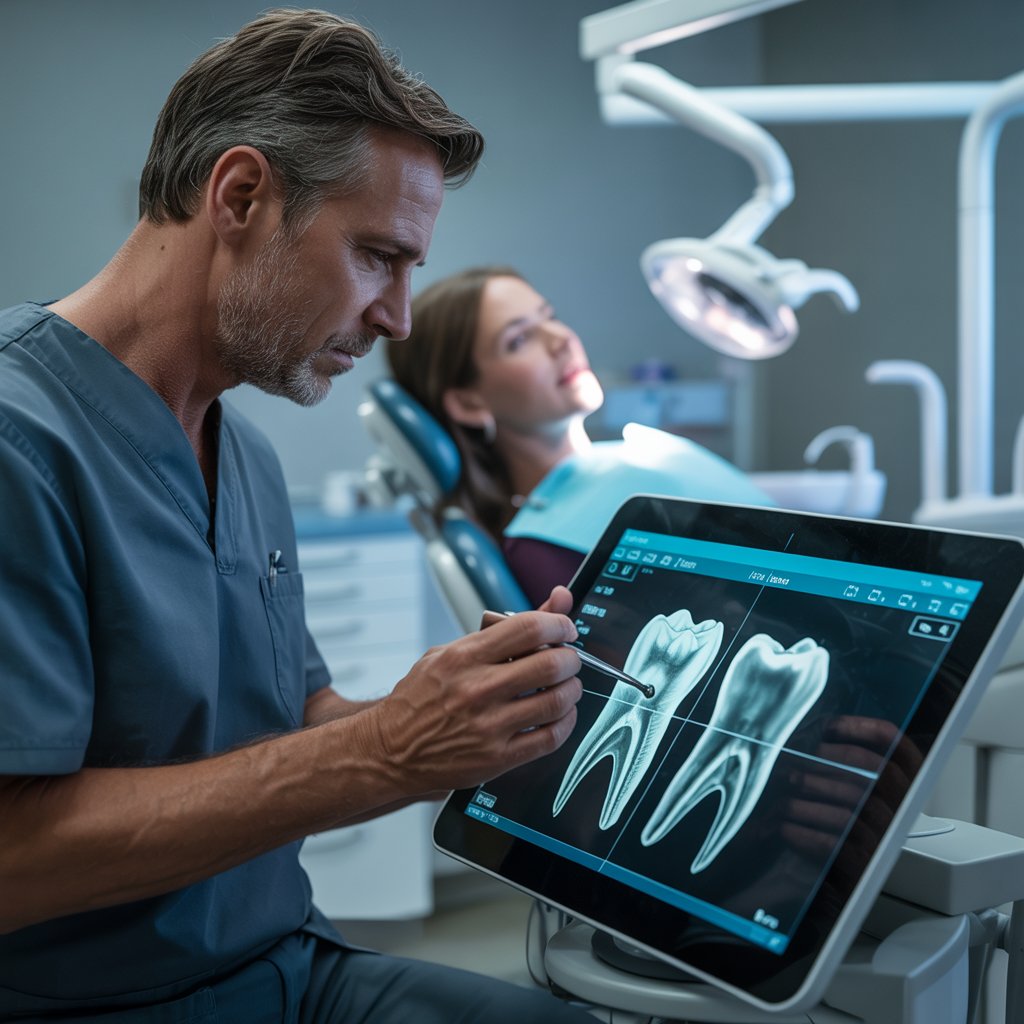
- X-rays when needed to check for recurrent decay, root problems, bone changes, or fractures not visible to the eye.
- A discussion of pain patterns, because cold sensitivity, pressure pain, and spontaneous throbbing suggest different underlying issues.
That last point is easy to overlook. The way a tooth hurts often tells the story. Brief cold sensitivity that fades may point to exposed dentin. Sharp pain on release of biting pressure may suggest a crack. Lingering heat sensitivity or spontaneous aching can hint that the nerve is inflamed and may not recover with a simple repair alone.
When the crown can be recemented, and when it cannot
Patients are often relieved to hear a crown might go right back on. In the best case, the tooth is sound, the margins are clean, the crown is undamaged, and the fit is still precise. Recementing can be efficient and cost-effective.
Still, dentists have to be selective. A crown should not be recemented just because it happens to sit on the tooth. If decay is hiding beneath the edge, if the crown is warped or cracked, or if the internal surfaces are contaminated beyond predictable cleanup, recementing becomes a short-term patch at best. The same applies when the underlying tooth has fractured or when there is too little tooth left to retain the crown safely.
One common scenario in practice is the crown that feels fine in the patient's hand but fails the fit test in the chair. It may rock slightly, leave a gap at the margin, or no longer seat fully because the tooth shifted, the cement remnant changed the internal shape, or a piece of the tooth came off with it. At that point, honesty matters more than convenience. A replacement crown may cost more and take longer, but it protects the tooth better than forcing an old crown into a compromised situation.
Lost fillings often reveal the bigger issue
When a filling falls out, the cavity underneath is sometimes larger than expected. This is especially true with older restorations that have been repaired more than once. A small missing piece on the surface can hide weakened walls inside. Once the old material is removed and the tooth is cleaned, the dentist may find that a simple replacement filling would leave the tooth at high risk for fracture.
This is where judgment matters. There are times when a new filling is entirely reasonable. There are also times when the more conservative long-term choice is actually a crown, because it braces the cusps and prevents the tooth from splitting later. Patients understandably focus on today's emergency, but good emergency care looks a few steps ahead. The question is not just how to stop the current discomfort, but how to keep this same tooth out of crisis mode six months from now.
Pain control while you wait for treatment
Discomfort from an exposed tooth can range from mild to significant. A few practical measures usually help until you can be seen. Room-temperature foods are kinder than ice water or hot coffee. Soft meals reduce biting stress. Saltwater rinses can soothe irritated tissues, especially if food has packed into the area. If you normally use a sensitivity toothpaste, dabbing a little over the exposed area may take the edge off, though it is not a substitute for treatment.
Over the counter pain medication can be useful if you can take it safely based on your medical history. Follow the label or the guidance of your healthcare professional. If the tooth pain is escalating rapidly, your face is swelling, or you cannot sleep because of the pain, that is no longer a watch-and-wait situation. Call for urgent dental care.
Special situations that change the plan
Not all lost restorations happen on uncomplicated teeth. A crown on a root canal treated tooth deserves extra caution because these teeth can be more brittle, especially if much of the original tooth was already missing. If the crown is off and the core underneath breaks, saving the tooth may require additional buildup, a post, or in some cases may become impossible.
Patients with heavy grinding habits also present a different challenge. If a filling or crown keeps failing in the same area, the restoration may not be the only issue. Bite force, clenching, and enamel wear need to be addressed. Sometimes the emergency visit resolves the immediate problem, but the real long-term fix includes a night guard or bite adjustment strategy.
Then there are cosmetic zones, especially front teeth. A lost filling or crown in the smile line creates a different kind of urgency. Even when pain is limited, appearance matters. Most dentists understand this and will try to provide an esthetic temporary or same-day solution when feasible. The trade-off is that front teeth demand precision. A quick repair that looks acceptable under office lights can still feel bulky, look opaque, or affect speech if corners are cut. A professional emergency approach balances speed with craftsmanship.
What patients in Plano should ask when booking
When you call a dental office for a lost filling or crown, the right questions can save time. Ask whether they handle same-day emergency evaluations, whether they can recement a crown if appropriate, and whether they have options for temporary coverage if a permanent fix cannot be completed immediately. If you have swelling, severe pain, or a piece of broken tooth in addition to the lost restoration, say that clearly. Those details affect scheduling.
It also helps to mention whether you still have the crown, when it came Emergency dentist Plano, TX off, and whether the tooth had prior root canal treatment. Offices that routinely manage emergencies can often tell from that short history how urgent Emergency dentist Plano, TX your case is and what to prepare for. The best emergency dentist in Plano, TX is not simply the one with the earliest opening, but the one equipped to diagnose the whole problem and explain realistic options.
Temporary fixes versus definitive treatment
There is a place for temporary care. If a tooth is very sensitive, a dentist may place a sedative material or temporary crown to protect it until the final treatment can be completed. That can be the right move, especially when the gum is inflamed, the patient has travel plans, or the laboratory work for a new crown will take time.
Temporary solutions become a problem when patients mistake them for completed care. Temporary cement washes out. Temporary materials wear faster. A tooth that feels fine for a week can deteriorate quietly beneath a stopgap repair. If your dentist recommends returning for a permanent crown, filling, or buildup, that follow-through matters. Many larger dental emergencies begin as unfinished smaller ones.
How fast action can save money and tooth structure
People sometimes delay emergency care because they are hoping the tooth will settle down on its own. Occasionally it does feel better, but that can be misleading. Less pain does not always mean the tooth is healthier. Sometimes the nerve is deteriorating. Sometimes the sharp edge simply no longer gets hit by the tongue. Meanwhile, decay continues and cracks spread.
I have seen a simple recement become a full crown replacement because the patient waited a couple of weeks and the tooth shifted enough that the old crown no longer seated. I have seen a lost filling turn into a root canal and crown because exposed dentin and recurrent decay were left open too long. Fast treatment is not just about comfort. It is often the least expensive path because it preserves options.
Choosing calm over panic
There is a particular kind of stress that comes with dental emergencies. The sensation is hard to ignore, the internet offers bad advice, and every hour can feel longer than it is. The good news is that lost fillings and crowns are problems dentists deal with every day. They are urgent, but they are also familiar. Most can be stabilized quickly when addressed early.
If you are dealing with a missing filling or crown, protect the area, save the restoration if you have it, and seek prompt professional care. An experienced Emergency dentist Plano, TX patients rely on can determine whether the tooth needs a simple repair, a recemented crown, a replacement restoration, or a deeper intervention. That answer is worth getting sooner rather than later, while the tooth is still telling a manageable story instead of a more complicated one.
Vitality Dental
1220 Coit Rd # 106, Plano, TX 75075, United States
+1 972-645-4100
FAQ About Emergency dentist Plano, TX
Will the ER do anything for dental pain?
An emergency department can assess urgent symptoms and provide medical stabilization. Definitive treatment of the tooth usually requires a dentist. Seek emergency medical care for breathing or swallowing difficulty, uncontrolled bleeding, or serious facial injury.
What to do if I have a dental emergency in the middle of the night?
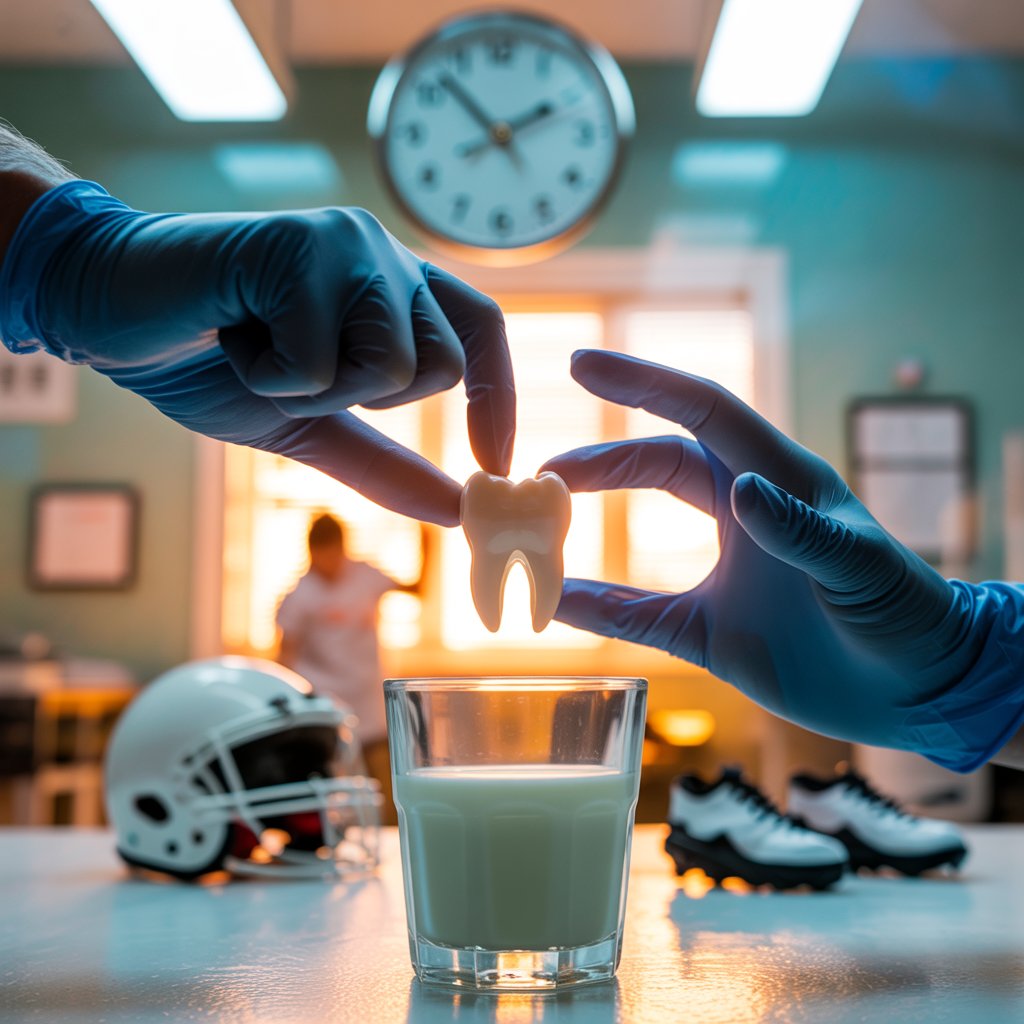
Contact a dentist or after-hours dental service promptly for guidance. If a permanent tooth is knocked out, keep it moist in milk while seeking immediate care. If symptoms suggest a medical emergency, go to an emergency department.
What qualifies as a dental emergency?
A knocked-out permanent tooth, severe or persistent tooth pain, a significant dental injury, or swelling may require urgent dental assessment. Call a dentist to describe the symptoms and determine timing. Uncontrolled bleeding or difficulty breathing or swallowing requires emergency medical care.